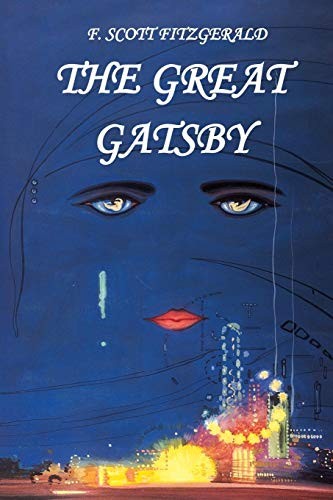
How it was received Mixed reviews and weak sales greeted it in 1925, but WWII troop editions sparked a revival; by the 1960s critics called it a masterwork, and it has since sold nearly 30 million copies and is widely taught in U.S. schools. — Wikipedia
Ending signals — verified, spoiler-light. Tap a question to see only that answer.
Is the ending happy?
TragicDoes it end on a cliffhanger?
NoDo major characters die?
YesHow does The Great Gatsby end?
After Gatsby's car strikes and kills Myrtle Wilson—Daisy was actually driving, but Gatsby resolves to take the blame to protect her—the central conflict collapses in on itself. Tom Buchanan drives Daisy home himself, and by the time Nick catches up with Gatsby that night, Gatsby is standing watch outside the Buchanan house, still convinced he can shield Daisy and that she might yet come to him. Nick urges him to leave town and start over somewhere else, but Gatsby refuses; he cannot abandon the fantasy he has built around Daisy and the past.
Tom, meanwhile, tells George Wilson that the yellow car belongs to Gatsby, letting George believe Gatsby was Myrtle's lover as well as her killer. Grief-stricken and unstable, George drives to Gatsby's mansion, finds him floating on an air mattress in his swimming pool, and shoots him dead before turning the gun on himself. Gatsby dies still waiting for a phone call from Daisy that never comes.
In the aftermath, Daisy and Tom quietly leave town together without attending the funeral or offering any explanation, retreating back into the protection of their wealth. Gatsby's funeral is sparsely attended—almost none of the people who filled his parties show up. His estranged father, Henry Gatz, arrives from Minnesota, proud of the son he barely knew, carrying an old book in which young Jimmy Gatz had once written out a self-improvement schedule, revealing the depth of his self-invention. Nick is left to handle the funeral arrangements almost alone, with only Gatsby's father and one former party guest, Owl Eyes, in attendance.
Disillusioned by the emptiness and carelessness of the Buchanans and their circle, Nick decides he is finished with the East and prepares to return to the Midwest. Before leaving, he runs into Tom, who admits without remorse that he was the one who told George that Gatsby owned the car. Nick shakes his hand out of a strange, weary sense of the inevitability of it all, though he privately regards both Tom and Daisy as careless people who smash things and other people and then retreat behind their money. In the final scene, Nick returns one last time to Gatsby's now-empty lawn, looks out across the bay at the green light on Daisy's dock, and reflects on Gatsby's extraordinary capacity for hope and on the way the past continually pulls people backward, closing the novel with the meditation that we "beat on, boats against the current, borne back ceaselessly into the past."
✓ Fact-verified against independent sources
Reception summary adapted from Wikipedia, CC BY-SA 4.0.