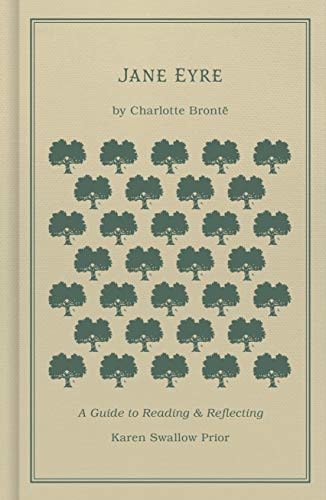
How it was received Contemporary critics were sharply divided, with some praising its vigor and emotional power while others, including The Quarterly Review, condemned it as subversive and anti-Christian; it later gained lasting acclaim, ranking tenth in the BBC's 2003 Big Read poll of Britain's best-loved novels. — Wikipedia
Ending signals — verified, spoiler-light. Tap a question to see only that answer.
Is the ending happy?
BittersweetDoes it end on a cliffhanger?
NoIs the romance resolved?
Yes — settledDo major characters die?
YesHow does Jane Eyre end?
After fleeing Thornfield Hall on the morning her wedding to Rochester was exposed as illegal (he was already married to the insane Bertha Mason, kept locked in the attic), Jane wanders penniless until she collapses on the doorstep of Moor House. She is taken in by the clergyman St John Rivers and his sisters Diana and Mary, who nurse her back to health. St John secures her a post teaching at a village school. In time she learns that these Rivers siblings are actually her cousins, and that her uncle John Eyre has died and left her a fortune of 20,000 pounds. Jane insists on splitting the inheritance equally among the four of them, making all of them financially independent.
St John, cold and driven by religious duty rather than love, asks Jane to marry him and accompany him to India as a missionary's wife. Jane agrees to go to India but refuses marriage, offering instead to go as his colleague or "sister." As his pressure wears down her resistance, she has a mysterious, almost supernatural experience: she hears Rochester's voice calling her name across the distance. Trusting this, she leaves Moor House and returns to Thornfield Hall, only to find it a burnt-out ruin.
She learns that Bertha Mason set the house on fire; Rochester saved the servants and tried to save Bertha, but she jumped to her death from the roof. In the fire, Rochester lost a hand and was blinded. Jane finds him living in seclusion at Ferndean Manor, humbled and despairing, having believed he would never see her again — it was his anguished cry of her name that she heard telepathically. Jane declares her unchanged love for him, and he proposes again. This time, with Bertha dead and Jane now his financial equal, they marry.
The novel closes with Jane's famous direct address to the reader, "Reader, I married him." She and Rochester live happily at Ferndean, and two years into their marriage he regains sight in one eye, enough to see the face of their newborn son. Adèle is placed in a good school nearer to them and grows into a well-mannered young woman under Jane's continued involvement. Diana and Mary Rivers each marry well. St John goes to India as a missionary, unmarried and devoted wholly to his religious calling, and the narrative closes with the suggestion that he is nearing death there, having given his life entirely to his mission.
✓ Fact-verified against independent sources
Reception summary adapted from Wikipedia, CC BY-SA 4.0.